If you picture life on Oahu’s North Shore as all surfboards and weekend traffic, Haleiwa might surprise you. This small town blends everyday routines with shoreline access, a historic main street, and a pace that feels distinct from Honolulu. If you are thinking about living here, visiting more often, or buying a home nearby, understanding the rhythm of daily life can help you decide whether Haleiwa fits your goals. Let’s dive in.
Haleiwa at a glance
Haleiwa is a compact community of about 2.3 square miles on Oahu’s North Shore. Honolulu planning documents identify Haleiwa and nearby Waialua as the North Shore’s main commercial districts, which means the town plays an important role in daily errands, local services, and community activity.
At the same time, local planning efforts are clear about protecting Haleiwa’s historic rural small-town character. That shows up in the town’s low-rise scale, human-centered design, and focus on a traditional main street instead of a typical suburban commercial strip.
The daily pace feels coastal and local
One of the biggest things you notice in Haleiwa is how much the town’s layout shapes your day. Kamehameha Highway runs through the center of town, and the area around Anahulu Bridge helps define the look and feel of Haleiwa.
Planning materials point to fishponds, streams, harbor access, shoreline views, and sightlines toward Mount Kaala and the Waianae Range. In practical terms, that means daily life often includes scenery that feels tied to the land and water, not just the built environment.
Locally owned small businesses, civic spaces, farmers’ markets, and pedestrian connections are also part of the town’s identity. You are not just moving through a shopping corridor here. You are moving through a place designed to keep its historic main street feel.
Ocean access is part of everyday living
In Haleiwa, the ocean is not reserved for special occasions. It sits close to the routines of workdays, school pickups, errands, and evening breaks.
A Haleiwa-area environmental assessment identifies Haleiwa Beach Park directly across Kamehameha Highway, with Puaena Point Beach Park, Haleiwa Alii Beach Park, Kaiaka Bay Beach Park, and Waialua District Park nearby. The same report notes activities such as stand-up paddling, canoe paddling, swimming, and fishing in the streams that run through town.
That kind of access can shape your week in simple ways. You might start the morning near the water, stop by a beach park after work, or build more outdoor time into your routine without needing a major drive.
Haleiwa Harbor adds another layer
Haleiwa Harbor supports a more active water-based lifestyle. According to the Hawaii Department of Land and Natural Resources, the harbor includes 96 berths, 23 moorings, 3 boat launch ramps, two loading docks, a fish hoist, dryland storage, vessel washdowns, and restrooms.
For residents, that means boating and ocean recreation are built into the town’s infrastructure, not added as an afterthought. Even if you are not a boat owner, the harbor contributes to the working waterfront feel that helps define Haleiwa.
North Shore beach options expand quickly
A few minutes farther along Kamehameha Highway, the range of beach experiences gets even broader. The Hawaii Department of Land and Natural Resources notes that Pupukea and Waimea Bay Beach Parks are both on Oahu’s North Shore, with parking available and daily bus service to the area.
DLNR also identifies Waimea Bay as primarily a swimming and surfing destination, while Shark’s Cove and Three Tables are major snorkeling and swimming spots. If you live in Haleiwa, some of Oahu’s best-known outdoor destinations are part of your wider neighborhood routine.
The town center is meant to stay walkable
Haleiwa’s built environment reflects local preservation goals. The North Shore planning framework supports off-street parking behind buildings, pedestrian walkways, and landscaping and signage that fit the town’s rural character.
That matters because it affects how a place feels day to day. Instead of parking lots dominating the streetscape, planning guidance aims to keep the main street visually cohesive and easier to experience on foot.
This does not mean Haleiwa functions like a dense urban district. It means the town center is intended to feel connected, scaled for people, and tied to its historic identity.
Housing reflects history more than subdivision design
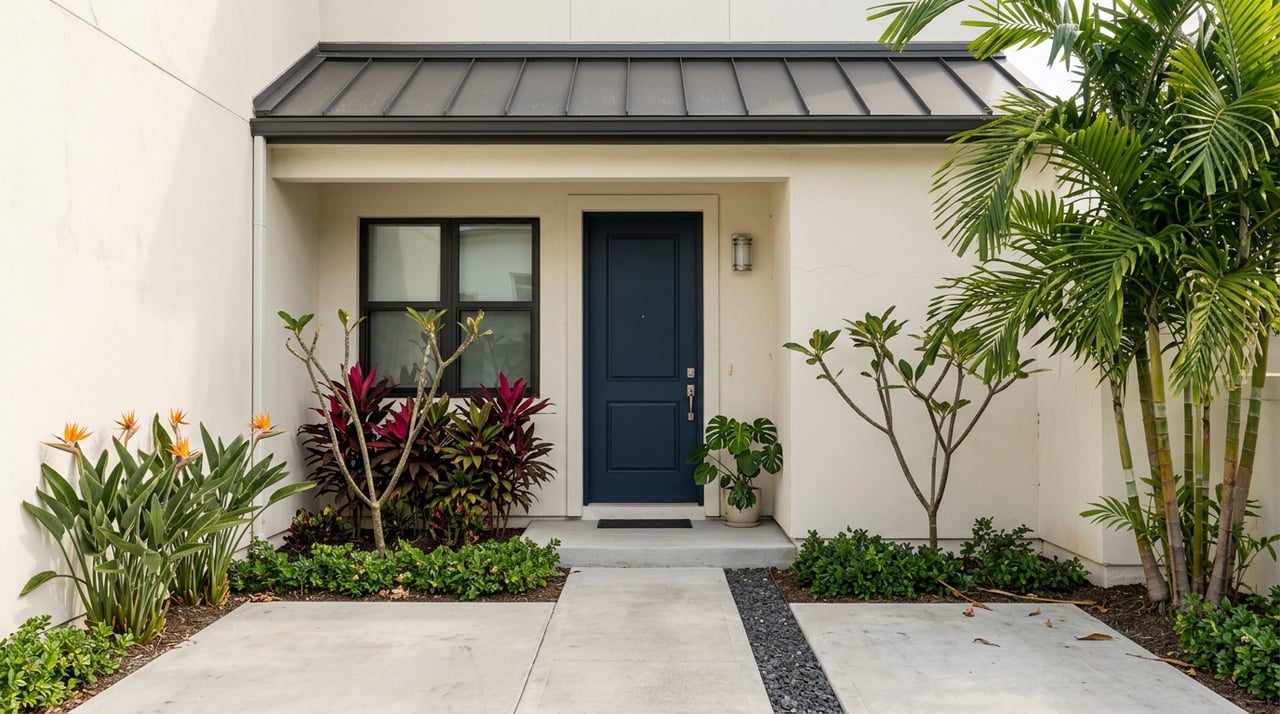
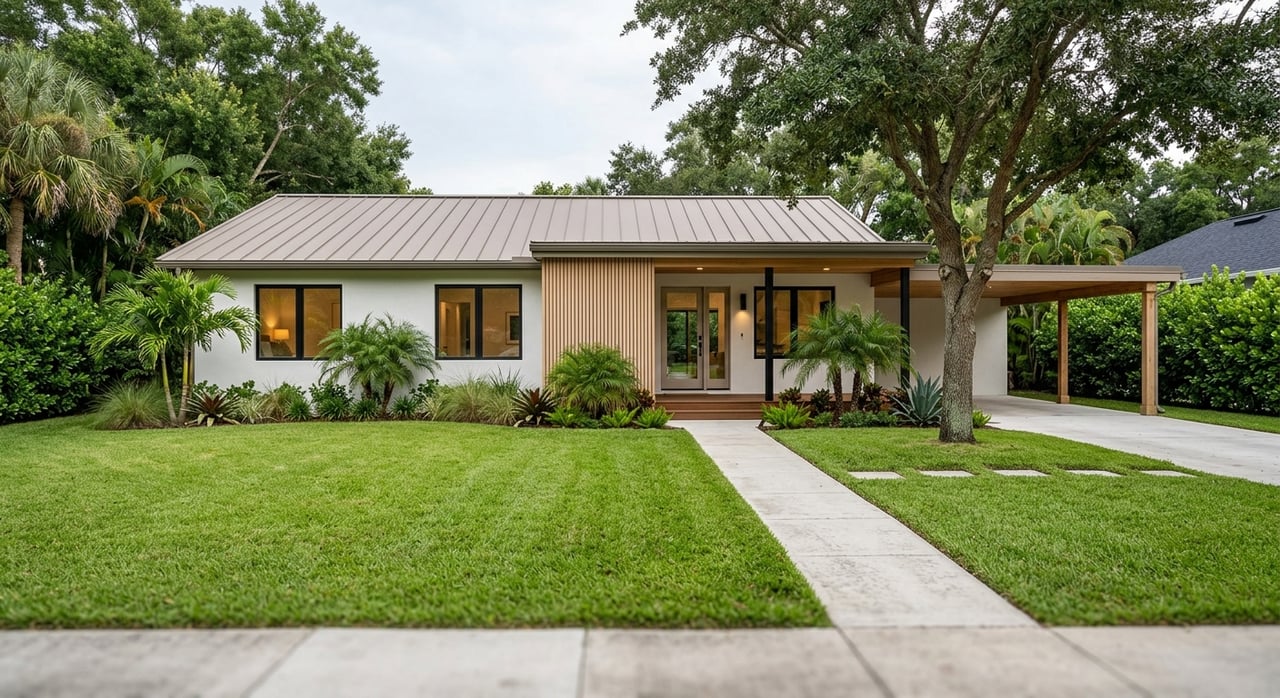
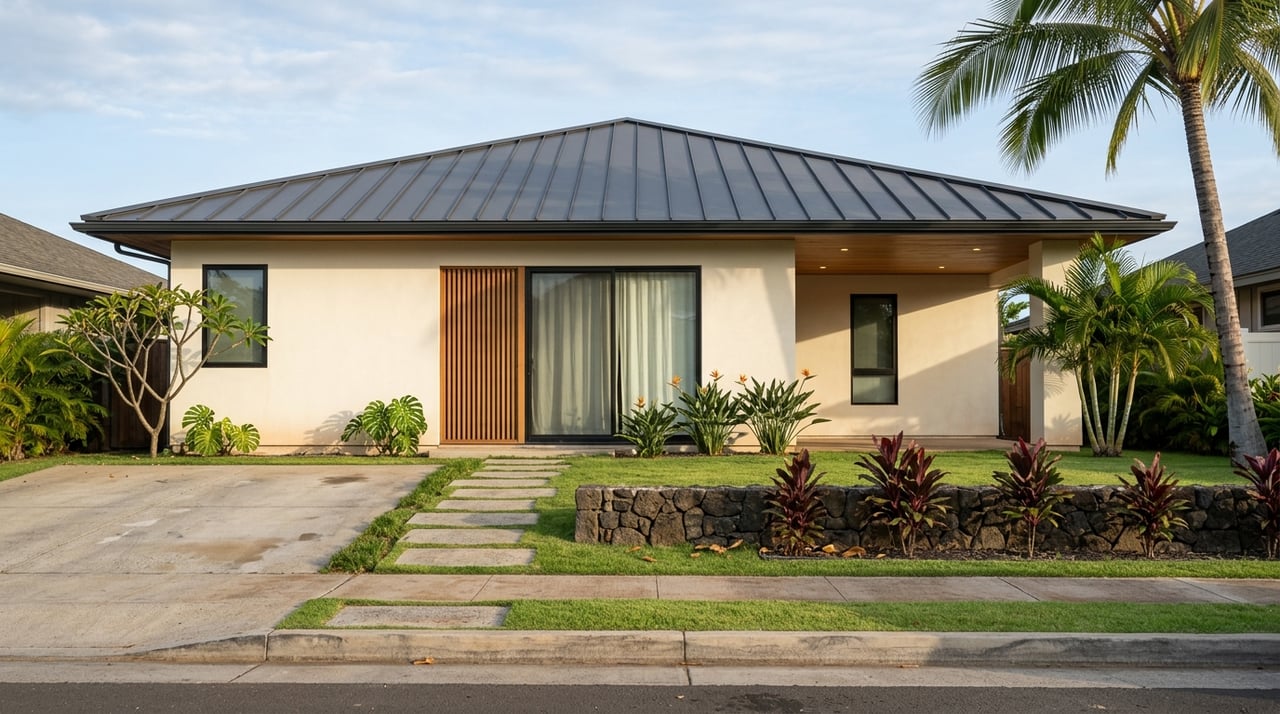
If you are comparing Haleiwa to newer Oahu communities, the housing style will likely stand out. Local plans say new buildings should reflect early-1900s architectural character, and the Haleiwa Special District is intended to preserve and enhance the town’s rural low-rise, human-scaled form.
That framework protects scenic, historic, cultural, and architectural resources. In everyday terms, you are more likely to see a built environment shaped by preservation and continuity than one driven by large-scale new subdivision patterns.
A Historic Hawaii Foundation note adds that four early-20th-century homes on Kamehameha Highway are among the few remaining plantation-style homes along the main thoroughfare. Read together with the city’s design guidance, that points to a residential mix that still includes older plantation-era cottages and other low-rise historic structures.
What that can mean for buyers
For some buyers, Haleiwa’s character is the appeal. You may value a neighborhood that feels visually distinct, closely tied to North Shore history, and more rooted in place than a newer planned community.
For others, it is important to understand that the area does not present the same look or layout as newer suburban neighborhoods. If you are home shopping in Haleiwa, it helps to evaluate not just square footage and updates, but also how the property fits into the town’s historic setting and daily rhythm.
Surf culture and visitor activity shape the atmosphere
North Shore planning discussions describe surfing as part of the area’s economic and cultural kuleana. Since Haleiwa serves as a main commercial district, residents often share the town center with surfers, beachgoers, and other visitors, especially around the main street and shoreline access points.
This can be part of the appeal if you enjoy energy, movement, and being close to North Shore activity. It also means your day-to-day experience may change with the season, the surf, and how many people are headed to the beach.
In other words, Haleiwa is not isolated from the North Shore lifestyle. It is one of the places where that lifestyle becomes most visible.
Getting around takes planning
Haleiwa is connected to the rest of Oahu, but getting around takes more thought than it might in more central parts of the island. TheBus currently includes Route 52 between Honolulu, Mililani, Wahiawa, and Haleiwa, and Route 60 between Honolulu, Kaneohe, and Haleiwa.
Route 60 uses Kamehameha Highway and Likelike Highway to reach Downtown and Ala Moana. That gives residents public transit options, but it also highlights how far the North Shore sits from Honolulu’s urban core.
Driving depends on road conditions
For drivers, Kamehameha Highway is the key corridor. That convenience comes with a tradeoff, because road closures and detours can affect travel in a big way.
In March 2026, the Hawaii Department of Transportation announced nightly full closures of Kamehameha Highway at Waimea Bay and directed travelers from the Kahuku and Laie side to Haleiwa to use H-3 or Likelike, then H-1 west and H-2 north through Wahiawa to reconnect with Kamehameha Highway. The larger lesson is simple: on the North Shore, commute planning is often about road conditions as much as distance.
Is Haleiwa a good fit for your lifestyle?
Haleiwa can be a strong fit if you want a town with a clear identity and close ties to the outdoors. The combination of beach access, harbor activity, walkable main street character, and historic low-rise design creates a lifestyle that feels very different from more urban or newer suburban parts of Oahu.
It can also be a practical choice for buyers who want North Shore character while staying connected to the rest of the island through Wahiawa, Mililani, and Honolulu routes. The right fit often comes down to how much you value ocean access, small-town atmosphere, and a daily pace shaped by both local routines and visitor activity.
If you are exploring a move to Haleiwa or nearby North Shore communities, it helps to work with a team that understands how lifestyle, location, and property type come together on Oahu. Vonlin Real Estate is here to help you navigate your options with local guidance, responsive service, and a practical plan that fits your goals.
FAQs
What is everyday life like in Haleiwa, Oahu?
- Everyday life in Haleiwa blends a historic small-town setting with beach access, harbor activity, locally owned businesses, and a daily rhythm shaped by both residents and North Shore visitors.
What outdoor activities are near Haleiwa on Oahu’s North Shore?
- Nearby activities include swimming, surfing, stand-up paddling, canoe paddling, fishing, snorkeling, and boating, with access to Haleiwa Beach Park, Puaena Point, Haleiwa Alii Beach Park, Kaiaka Bay, Waimea Bay, Shark’s Cove, and Three Tables.
What kinds of homes are common in Haleiwa?
- Haleiwa’s housing is shaped by historic-district guidance, so the area is known for low-rise buildings, older plantation-era influences, and a built environment that reflects early-1900s architectural character more than newer subdivision design.
Is Haleiwa walkable for daily errands and outings?
- Haleiwa’s town center is planned around a traditional main street with pedestrian walkways and parking placed behind buildings where possible, which supports a more walkable and visually cohesive experience.
How do you commute from Haleiwa to other parts of Oahu?
- Haleiwa is served by TheBus Routes 52 and 60, while drivers typically rely on Kamehameha Highway, with commute times and routes sometimes affected by North Shore road conditions and closures.