If your picture of Honolulu starts and ends with Waikiki, you are missing most of what daily life here actually feels like. For many residents, Honolulu is less about resort towers and more about commutes, grocery runs, neighborhood parks, local events, and finding the right balance of space, price, and convenience. If you are thinking about moving, buying, or simply getting a better feel for the city, this guide will help you understand what living in Honolulu looks like beyond the visitor zone. Let’s dive in.
Honolulu Is More Than One Lifestyle
Honolulu is not one uniform place. According to the City’s Primary Urban Center plan, urban development stretches from Downtown across the coastal plain and into valleys and ridge slopes, with higher-density housing concentrated near major east-west highways and arterials.
That matters because your day-to-day experience can change a lot depending on where you live. Some areas are more condo-heavy and walkable for errands, while others offer older detached homes, lower-rise streets, or a little more room. In other words, living in Honolulu is really about choosing the kind of routine that fits you.
In-Town Areas Feel Denser
Neighborhoods such as Waikiki, Downtown-Chinatown, Ala Moana-Kakaako, McCully-Moiliili, and Makiki-Tantalus tend to reflect Honolulu’s denser urban side. The city’s data shows these areas have smaller average household sizes, including 1.62 in Waikiki, 1.81 in Downtown-Chinatown, and 1.89 in Ala Moana-Kakaako.
These figures help paint a practical picture. In many in-town neighborhoods, condos, apartments, and multifamily living are a major part of the housing mix, which often supports a more compact, convenience-focused lifestyle.
East And Valley Areas Often Feel Roomier
Other parts of Honolulu have a different feel. Neighborhood-area data shows larger average household sizes in places such as Hawaii Kai at 2.76, Kaimuki at 2.97, Kalihi-Palama at 3.68, and Kalihi Valley at 4.65.
While every block is different, those numbers suggest a broader range of living patterns outside the dense urban core. If you want a neighborhood that may feel less vertical and more residential in character, these areas are often part of the conversation.
What Housing Looks Like In Honolulu
Honolulu County is expensive by mainland standards, and understanding the housing mix can help you set realistic expectations early. Census QuickFacts report a median owner-occupied home value of $897,500, a median monthly mortgage cost of $3,111, and a median gross rent of $2,083.
The county is still majority owner-occupied, with a 59.8% owner-occupied housing rate, but rental housing also plays a major role in everyday life. That is especially true in the urban core, where the Primary Urban Center plan describes the housing stock as older and more multifamily than other parts of Oahu.
Common Home Types You Will See
In practical terms, Honolulu usually presents a few broad housing options:
- High-density condos and walk-up apartments in the urban core
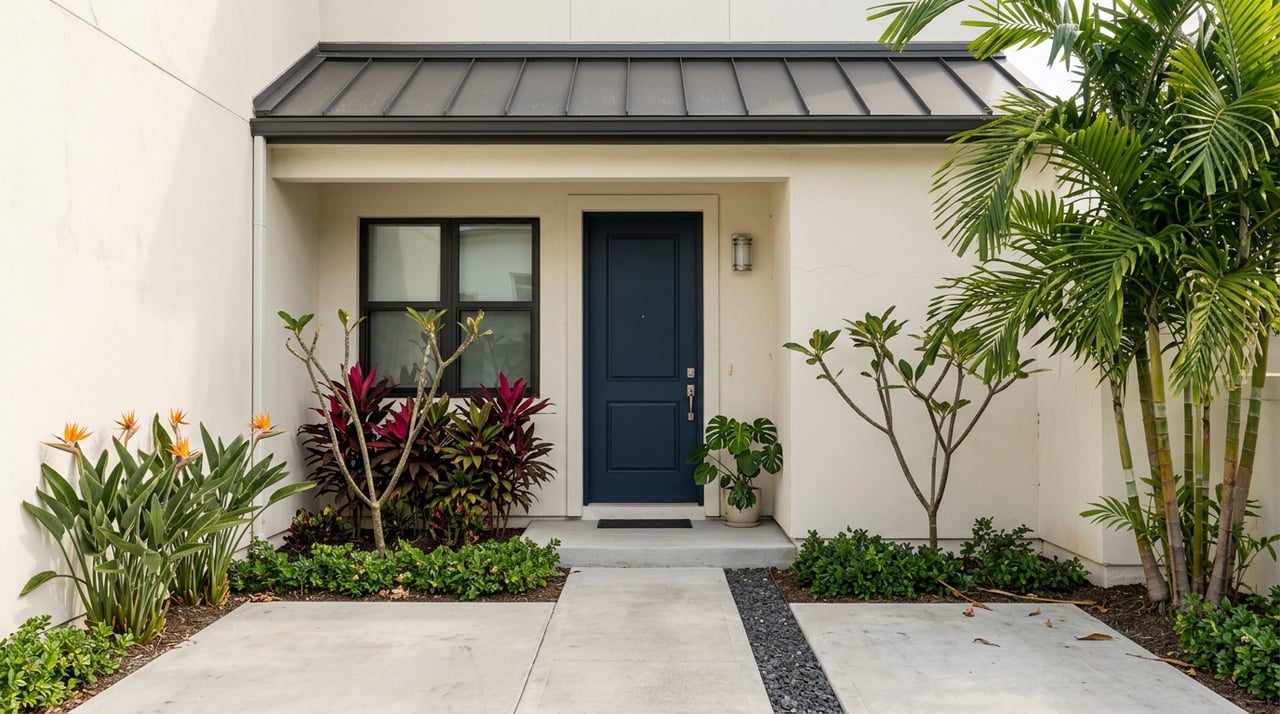
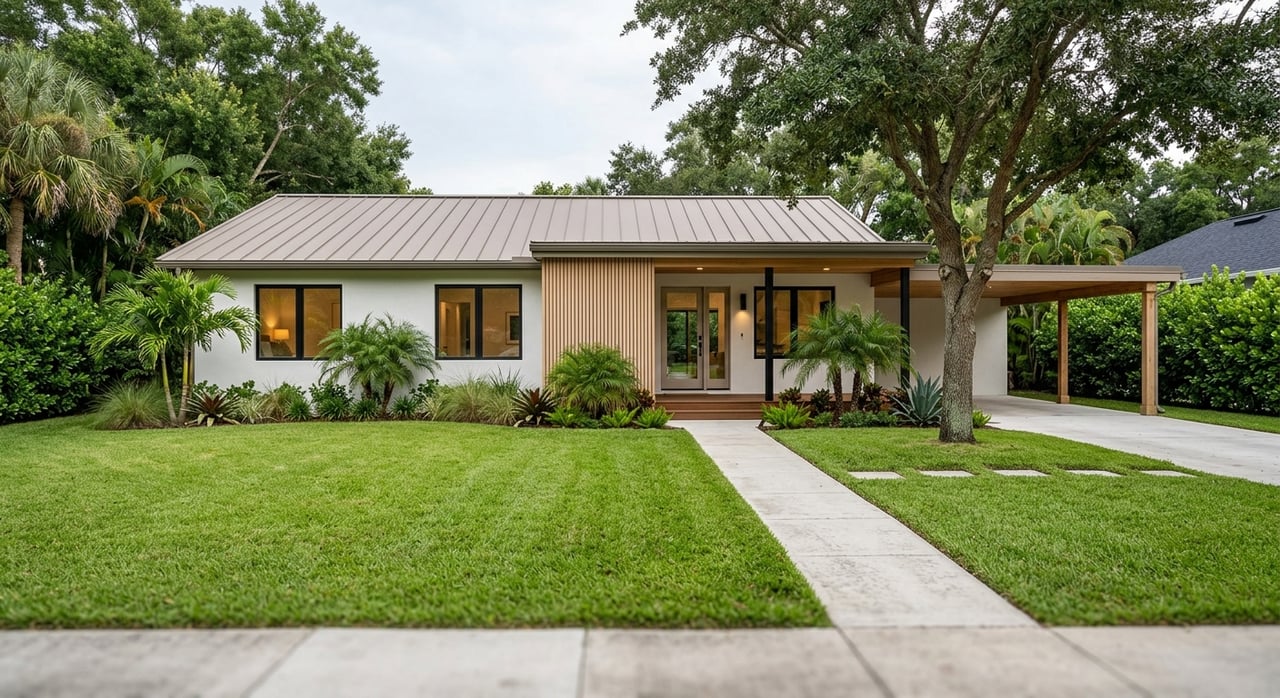
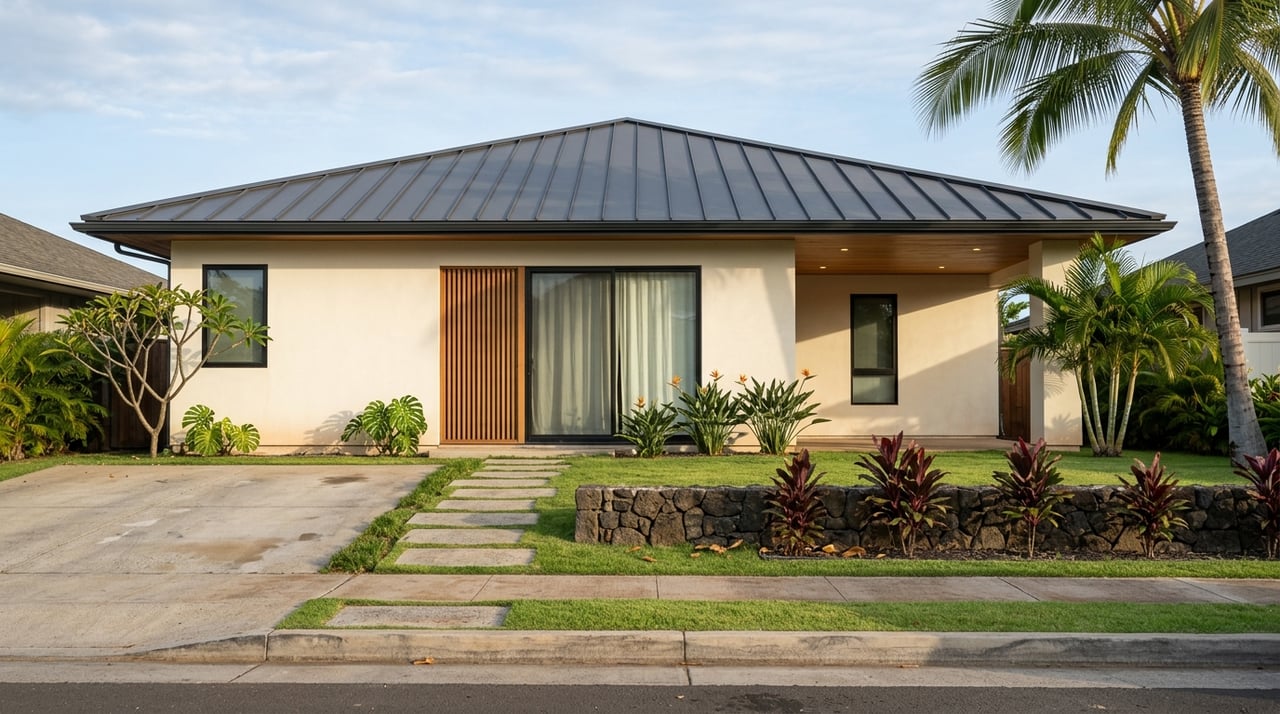
- Older detached homes and small-lot homes in lower-density neighborhoods
- Medium- and high-density housing in areas such as Makiki and McCully-Moiliili
- Redevelopment-driven housing choices in Kakaako
The city’s planning documents also note that many older single-family homes are found between Kalihi and Kaimuki. If you are hoping for a detached home in Honolulu proper, that corridor is part of the city’s long-established residential story.
Newer Single-Family Choices Are Less Common In Town
The Primary Urban Center plan also notes that most new single-family housing was being built in Ewa and Central Oahu rather than in the built-out urban core. For buyers, that means your search inside Honolulu may lean more toward existing homes, condos, and townhome-style options rather than brand-new detached construction.
This is one reason many buyers compare Honolulu with other parts of Oahu before deciding where to focus. You may find that your budget, space needs, and commute priorities point you toward a different tradeoff than you expected.
Daily Life Often Centers On Convenience
A big part of living beyond Waikiki is learning how much your neighborhood shapes your routine. The city’s plan specifically points to grocery stores and everyday services within walking distance as an important amenity in higher-density in-town neighborhoods.
That convenience can make a real difference. If you live in a denser corridor, daily errands may feel simpler and more predictable, especially if you want to spend less time driving for basic needs.
In-Town Living Can Be Efficient
For some households, being close to stores, services, and transit corridors is worth living in a smaller space. This kind of setup can appeal to first-time buyers, relocators, and anyone who values a more connected, less car-dependent routine.
It can also be a practical fit if you want easier access to business districts, event venues, or the university area. The tradeoff is that housing in these neighborhoods often means attached living and less private outdoor space.
Lower-Density Areas Offer Different Tradeoffs
If you prefer a quieter street pattern, an older detached home, or a little more breathing room, neighborhoods outside the densest core may feel like a better match. But in Honolulu, more space often comes with different commute and transportation considerations.
That is why the best neighborhood is usually not the one that looks best on paper. It is the one that fits how you actually plan to live from Monday through Friday, not just on weekends.
Commuting In Honolulu Is Corridor-Based
One of the most important parts of everyday life in Honolulu is how you get around. Census QuickFacts put the average one-way commute time in Honolulu County at 26.7 minutes, which gives you a useful starting point when comparing areas.
But the bigger story is that Honolulu commuting tends to be corridor-based. Access to major arterials, transit routes, parking, and peak-hour traffic patterns can shape your day as much as the home itself.
Skyline Is Growing But Limited Today
Honolulu’s rail system, Skyline, currently operates from East Kapolei to Middle Street. HART says construction is underway on the next city-center phase from Middle Street to Civic Center, and the revised system is planned at 18.9 miles with 19 stations from East Kapolei to Civic Center.
That means Skyline is meaningful for some trips now, especially for households connecting with the western side and future city-center access. Still, it is not yet a complete islandwide solution for daily life in Honolulu proper.
TheBus Still Does The Heavy Lifting
For many residents, TheBus remains the main transit network for cross-town travel. Current route listings show the A Line running from Ahua Lagoon Drive Skyline Station to U.H. Mānoa by way of Downtown Honolulu, and the W Line connecting Lelepaua Airport Skyline Station to Waikiki Beach & Hotels.
Route 20 also links a wide range of daily destinations, including the airport, Ala Moana Center, Ward Village, Kalihi, Downtown/Alapai, Honolulu Zoo, and Kapiolani Park. If you are trying to live with fewer car trips, proximity to a strong bus corridor can be a major plus.
Outdoor Living Is Part Of Normal Life
Living in Honolulu beyond Waikiki still means living in a place where outdoor time is part of the weekly routine. The City highlights amenities such as the Honolulu Zoo, the Neal S. Blaisdell Center, the Tom Moffatt Waikiki Shell, five botanical gardens, and beach parks with more than 40 lifeguard towers.
That mix says a lot about local life. Residents are not limited to resort spaces. Everyday recreation can include community events, concerts, gardens, neighborhood parks, and regular beach time woven into normal schedules.
Beaches Matter, But So Does Safety
Honolulu Emergency Services notes that Oahu has more than 227 miles of coastline and more than 150 identified beaches. The Fire Department advises residents to choose lifeguard-protected beaches and pay close attention to changing ocean and mountain conditions.
For locals, that safety mindset is part of everyday island living. Beach access is a lifestyle benefit, but it also comes with the habit of checking conditions and making careful choices.
Honolulu’s Culture Feels Local, Layered, And Diverse
Another part of everyday life beyond Waikiki is the city’s cultural mix. Census QuickFacts show that 42.9% of Honolulu County residents identify as Asian alone, 10.0% as Native Hawaiian and Other Pacific Islander alone, 23.0% as two or more races, 19.6% are foreign-born, and 26.0% speak a language other than English at home.
Those numbers help explain why Honolulu often feels shaped by local routines, multilingual households, and a blend of Pacific and Asian influences. For someone relocating, this is useful context because daily life here is not built around tourism alone. It is built around communities, families, and neighborhood patterns.
What This Means For Buyers And Relocators
If you are considering a move to Honolulu, the biggest takeaway is simple: define your priorities before you fall in love with a zip code. A condo near major transit and daily services may support one kind of lifestyle, while an older home in a more residential area may support another.
It helps to think in terms of tradeoffs:
- Convenience: Denser in-town neighborhoods may offer easier access to errands and transit
- Space: Lower-density areas may offer a different residential feel and more room
- Commute: Travel time depends heavily on your access to major corridors and routes
- Housing Type: Honolulu proper often means choosing among condos, apartments, older homes, and limited newer detached inventory
- Lifestyle: Daily life here often revolves around practical neighborhood living, not resort living
For many buyers, especially first-time buyers and relocators, clarity matters more than chasing a perfect image. When you understand how Honolulu works beyond Waikiki, you can make a more confident decision about where to live and what kind of home will support your routine.
If you are exploring Honolulu or comparing it with other parts of Oahu, working with a team that understands everyday housing decisions can make the process much easier. Vonlin Real Estate offers warm, professional guidance for buyers, sellers, renters, and owners across Oahu.
FAQs
What is daily life in Honolulu like outside Waikiki?
- Daily life outside Waikiki is often centered on neighborhood routines such as commuting, errands, local events, parks, and regular beach or outdoor time rather than resort activity.
Which Honolulu areas feel more condo-heavy?
- In-town areas such as Waikiki, Downtown-Chinatown, Ala Moana-Kakaako, McCully-Moiliili, and Makiki-Tantalus tend to be more condo- and multifamily-oriented.
Which parts of Honolulu may feel more residential?
- Neighborhood data suggests places such as Hawaii Kai, Kaimuki, Kalihi-Palama, and Kalihi Valley often reflect larger household patterns and a less dense feel than the urban core.
Is it realistic to live in Honolulu without driving everywhere?
- It can be realistic in some areas, especially if you live near strong bus corridors, daily services, or Skyline connections, but many households still plan carefully around cars, parking, and peak-hour traffic.
What housing types are common in Honolulu proper?
- Common housing types include condos, walk-up apartments, multifamily buildings, and older detached homes, with newer single-family construction more limited in the built-out urban core.
Is Honolulu living mostly beach and resort oriented?
- No. Outdoor living is important, but everyday life also includes neighborhood services, cultural events, botanical gardens, parks, and regular routines shaped by where you live and how you commute.